
When does smartphone specification in hazardous areas need to go beyond certification?
Announcements | Thursday, 23rd April Share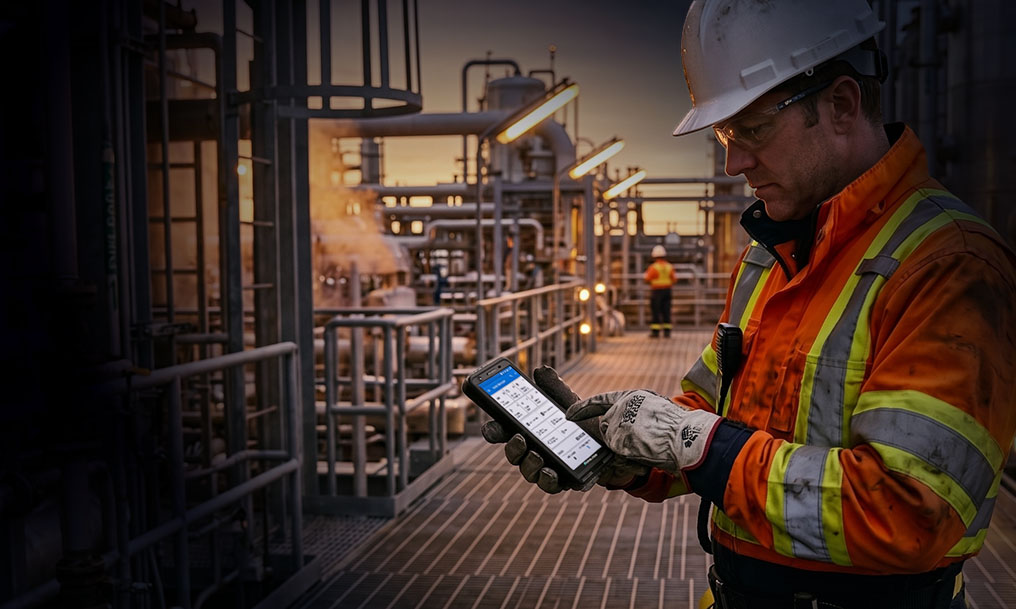
In hazardous area environments, smartphone selection is often driven by certification requirements, but communication, usability, connectivity and deployment needs can determine whether a device is suitable.
Smartphone specification in hazardous areas needs to go beyond certification when the device must support more than basic communication.
Where smartphones are used for coordination, access to digital systems, inspection activity, or wider field workflows, factors such as connectivity, usability, and device management become part of the specification alongside hazardous area certification.
Intrinsically safe smartphones are typically specified under ATEX and IECEx certification frameworks for use in classified environments, with device suitability often defined by Zone classifications such as Zone 1 or Zone 2.
Smartphone specification in practice
Across industries such as oil and gas, chemicals, utilities, and heavy manufacturing, smartphones are increasingly used as part of routine field operations.
On large process sites, mobile devices may be used throughout the working day for communication, inspection, coordination, and access to operational information across multiple teams and locations.
These environments are rarely uniform. Personnel may move between different classified areas, work outdoors, operate in noisy conditions, or carry out tasks where glove use and physical handling matter. In these situations, device selection is shaped not only by certification, but also by how effectively the device supports practical field use.
For example, on large process sites or offshore installations, devices may meet certification requirements but still present challenges when integrated into existing communication systems, permit-to-work processes, or reporting platforms.
When does smartphone specification in hazardous areas need to go beyond certification?
Certification defines where a device can be used. It does not define how well it will perform in use.
Hazardous area certification remains essential. Intrinsically safe smartphones are certified for use in classified environments and form part of safe mobile communication strategies where conventional consumer devices would not be suitable.
However, certification alone does not determine whether a device will be effective in day-to-day operations.
In practice, engineers can encounter situations where a compliant device meets the required zone classification, but is less well suited to site communication, application access, or routine operational tasks. The issue is not usually the certification itself, but whether the selected device also matches the practical requirements of the application.
Common specification pitfalls
Focusing only on zone classification
A device may be selected against the required area classification, for example ATEX Zone 1 or Zone 2, without enough consideration of how it will be used across the site or within wider working processes.
Overlooking communication requirements
On many sites, the requirement extends beyond basic voice communication to include access to operational systems, application-based coordination, and timely exchange of information between teams.
Ignoring usability in working conditions
Glove use, outdoor visibility, noise, and physical handling conditions all affect usability. A certified device that is difficult to operate can add unnecessary steps to routine field tasks.
Underestimating deployment and management requirements
Devices are often expected to align with existing IT policies, mobile device management systems, and digital workflows. If this is not considered at specification stage, rollout can become more difficult than expected.
What actually drives ATEX smartphone specification in practice
Certification defines the minimum level of protection required under ATEX and IECEx frameworks. However, smartphone selection is influenced by additional factors. In practice, specification decisions are typically shaped by five considerations:
1. Communication capability
Suitability for site communication and the exchange of operational information across distributed teams.
2. Connectivity
Support for mobile and wireless communication where application access and data transfer are required.
3. Usability
Screen visibility, touchscreen operation, and practical use in industrial conditions.
4. Durability
Suitability for demanding environments and repeated day-to-day handling.
5. Device management
Alignment with enterprise deployment, update, and control requirements.
In some environments, connectivity capabilities such as 5G and Wi-Fi 6 also become relevant where devices are expected to support higher data throughput, lower latency communication, or closer alignment with wider site connectivity strategies.
The importance of these factors depends on the application rather than the hazardous area classification alone.
Devices may also be used alongside accessories such as headsets or push-to-talk systems depending on communication requirements.
As sites adopt more connected and digitally supported working practices, these factors are becoming more relevant in smartphone specification.
Where devices such as the Smart-Ex 03 DZ1 fit within modern specification
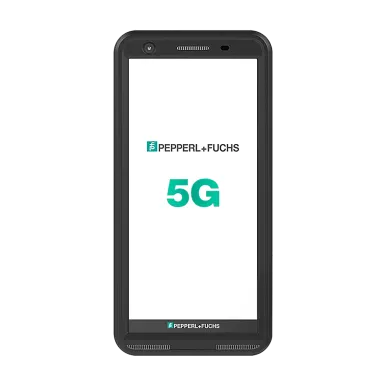
Devices such as the Smart-Ex 03 DZ1 intrinsically safe smartphone sit within this shift.
They are relevant where certification must be combined with communication capability, modern connectivity, and controlled deployment. This includes environments where teams require dependable communication across site, where digital inspection or reporting processes are already in use, or where field personnel need access to information at the point of work.
In this context, features such as 5G, Wi-Fi 6, Android Enterprise Recommended support, glove-operable touchscreen use, and dual SIM capability may become specification factors rather than secondary extras.
The decision is therefore not about treating certification as less important. It is about recognising when certification on its own is not enough to support the practical demands of field use.
Engineering support
Specification of intrinsically safe smartphones requires consideration of both operational requirements and deployment conditions. Able Instruments supports this through:
- Application review based on site use and operational needs
- Guidance on suitable intrinsically safe device types
- Configuration and deployment support
- Training and ongoing technical guidance
As an independent supplier supporting multiple intrinsically safe mobile device manufacturers, Able can provide specification guidance based on application requirements rather than a single product range.
For wider guidance on available intrinsically safe mobile phones and intrinsically safe communication devices, Able can also advise on the most suitable approach based on your application, workflow requirements, and deployment needs.
Frequently asked questions (FAQs)
Do all hazardous area applications require 5G or Wi-Fi 6?
No. Not all hazardous area applications require advanced connectivity.
However, where devices are used for data-heavy applications, inspection and reporting workflows, or integrated communication systems, higher connectivity capability may become relevant.
What defines a suitable intrinsically safe smartphone for field use?
A suitable intrinsically safe smartphone must meet hazardous area certification requirements and support practical field use.
This typically includes dependable communication, usable operation in industrial conditions, and compatibility with site systems, deployment requirements, and working processes.
What this means for engineers
Selecting a smartphone for hazardous area use is not defined by certification alone. Communication requirements, usability, connectivity, and deployment considerations can all influence whether a device is suitable in practice.
This is typically where specification decisions have the greatest long-term impact.
If you are reviewing intrinsically safe smartphones for a new project or considering how modern connectivity and deployment requirements fit within an existing hazardous area workflow, it may be useful to assess how communication needs, working conditions, and digital processes influence device selection.
Explore the Ecom range: Ecom hazardous area mobile devices
Email: [email protected]
Telephone: 01189 311 188

Share this with
X Facebook LinkedIn Email