
From PIXAVI Cam to SP9EX1 Smartphone Cam version: What you need to know about next-generation ATEX cameras
Announcements | Friday, 20th March Share
For many years, the PIXAVI Cam has been widely used as a reliable intrinsically safe camera for inspection, maintenance and reporting in hazardous areas. As site requirements evolve, the move to the BARTEC SP9EX1 Smartphone Cam version reflects a broader shift in how ATEX cameras are now being specified.
In hazardous area environments, selecting an ATEX camera is no longer only about certification. Engineers increasingly need a device that supports inspection workflows while also meeting site-specific restrictions on mobile phones and connected devices.
For organisations currently using the PIXAVI Cam, replacement is not always a like-for-like decision. It often raises a more practical question: whether the next intrinsically safe camera should better reflect how inspection, reporting and compliance are managed today.
Why are engineers reviewing older ATEX camera platforms?
In sectors such as oil and gas, offshore, chemical processing and heavy industry, intrinsically safe cameras are routinely used for inspection, maintenance reporting, compliance documentation and asset condition records.
However, the way these tasks are carried out has changed. Many sites now operate with tighter controls around mobile phones and connected devices, even where equipment may otherwise be certified for hazardous areas.
Common drivers behind this shift include:
- Restrictions on mobile phones and SIM-enabled devices
- Low light or enclosed inspection environments
- Increased expectations around reporting and documentation
As a result, when an ATEX camera reaches the point where replacement is being considered, the decision is rarely based on certification alone. Engineers are increasingly assessing how well a device fits with site policy, inspection conditions and reporting workflows.
This means that reviewing an existing intrinsically safe camera is no longer simply a replacement exercise. It becomes a broader specification decision, based on how the device will be used in practice rather than how it performs on paper.
From PIXAVI Cam to SP9EX1 Smartphone Cam version
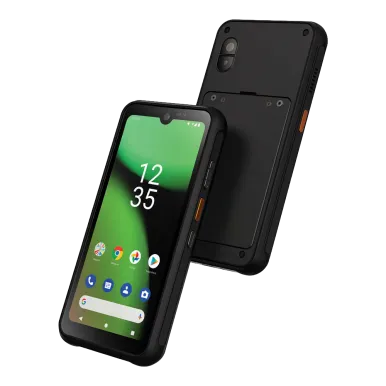
For organisations familiar with the PIXAVI Cam, the BARTEC SP9EX1 Smartphone Cam version represents a continuation of the same core requirement: a dedicated intrinsically safe camera for use in hazardous areas.
The difference is in how that requirement is now addressed. While earlier camera platforms were primarily focused on safe image capture, newer devices are expected to align more closely with current site practices, including restrictions on mobile devices and the need for more integrated inspection workflows.
The SP9EX1 reflects this shift. It maintains the role of a dedicated ATEX camera, while introducing a more modern device platform aligned with current inspection and reporting practices.
Importantly, the SP9EX1 Smartphone Cam version is not positioned as a smartphone. It is supplied without SIM or telephony functionality, allowing it to be used on sites where mobile phone use is restricted, while still supporting digital inspection activities.
This distinction separates a direct replacement from a more suitable upgrade.
Why no SIM or phone functionality matters
One of the most practical challenges when deploying portable devices in hazardous areas is not certification, but site policy. In many facilities, restrictions apply specifically to mobile phones, regardless of whether a device is certified for use in a classified zone.
This can create a gap between what is technically permitted and what is operationally accepted. Smartphone-based intrinsically safe devices may meet certification requirements, but still require additional internal approval before they can be used on site.
A dedicated ATEX camera without SIM or telephony functionality avoids this issue. By removing phone capability entirely, the device can be more easily aligned with site rules governing portable electronics, particularly in environments where mobile phone use is controlled or prohibited.
This removes a common barrier to deployment on restricted sites.
For engineers, this simplifies specification. For HSE and site teams, it can reduce the need for additional justification or approval processes. In practical terms, it allows intrinsically safe camera deployment to move forward with fewer operational constraints.

Low light performance in real inspection environments
Inspection activities in hazardous areas are rarely carried out in controlled lighting conditions. Engineers often work in enclosed plant areas, offshore environments or during maintenance periods where available light is limited.
In these situations, image clarity becomes an important practical consideration. Poor visibility can affect the quality of inspection records, requiring additional time on site or repeat visits to capture usable documentation.
Clearer images can reduce repeat inspections and improve reporting accuracy.
When reviewing an ATEX camera, low light performance should therefore be considered in the context of how and where the device will be used. The ability to support clearer image capture in less favourable conditions can help deliver more consistent reporting and reduce reliance on additional lighting equipment.
For organisations moving from earlier intrinsically safe camera platforms, this is one of the areas where device selection can be aligned more closely with real inspection requirements.
What next-generation ATEX cameras need to support
As inspection and maintenance activities become more digitally integrated, expectations of intrinsically safe cameras have moved beyond standalone image capture.
Modern ATEX cameras increasingly need to support:
- Integration with inspection and reporting workflows
- Consistent data capture for maintenance and compliance records
- Alignment with site policies and operational constraints
In many environments, captured images form part of wider reporting processes, whether for maintenance records, compliance documentation or remote review. This places greater emphasis on how easily data can be captured, managed and transferred as part of a broader workflow.
For this reason, device selection is increasingly influenced by how well an ATEX camera supports day-to-day operational use, rather than certification alone.
The SP9EX1 Smartphone Cam version reflects this shift. It maintains the role of a dedicated intrinsically safe camera, while aligning more closely with modern inspection practices and workflow requirements.
For organisations moving on from earlier camera platforms, this represents a move towards equipment that supports not just safe operation, but more consistent reporting processes across hazardous area environments.
What this means for engineers
For engineers reviewing existing intrinsically safe camera deployments, the transition from PIXAVI Cam to SP9EX1 Smartphone Cam version should be considered as part of a broader specification decision rather than a direct replacement.
In practice, the decision often comes down to:
- Site policies on mobile phones and connected devices
- Inspection conditions, including low light environments
- Compatibility with reporting and documentation workflows
Where these factors are important, next-generation ATEX camera selection provides an opportunity to improve operational fit while maintaining hazardous area suitability.
Frequently asked questions (FAQs)
Is the SP9EX1 Smartphone Cam version actually a smartphone?
The SP9EX1 Smartphone Cam version is supplied without SIM or telephony functionality and is positioned as a dedicated intrinsically safe camera. This makes it suitable for use on sites where mobile phone use is restricted, while still supporting digital inspection and reporting activities.
Is the SP9EX1 Smartphone Cam version a direct replacement for the PIXAVI Cam?
The SP9EX1 Smartphone Cam version can be considered a successor to the PIXAVI Cam, but it is not simply a like-for-like replacement. It reflects updated requirements around site restrictions, inspection conditions and digital workflows.
In particular, the absence of SIM and telephony functionality allows the SP9EX1 Smartphone Cam version to be used on sites where mobile phones are restricted, while still supporting inspection and reporting tasks.
When reviewing upgrade options, it is therefore useful to consider how current operational requirements differ from when earlier camera platforms were originally specified.
Is low light performance important when selecting an ATEX camera?
In many hazardous area environments, inspection work takes place in enclosed plant areas, offshore locations or during maintenance periods where lighting conditions are limited.
For this reason, low light performance is often a practical consideration when selecting an intrinsically safe camera. The ability to support clearer image capture in these conditions can help produce more consistent inspection records and reduce the need for repeat visits.
When reviewing camera options, it is useful to consider how closely device performance aligns with the actual environments in which inspections will be carried out.
If you are reviewing intrinsically safe cameras for a new project or considering an upgrade from existing equipment, it may be useful to assess how site restrictions, inspection conditions and workflow requirements influence device selection.
Explore the product: BARTEC SP9EX1 Smartphone Cam version
Email: [email protected]
Telephone: 01189 311 188

Share this with
X Facebook LinkedIn Email